
Brain health articles
Clear, research-based advice on memory, dementia, nutrition and menopause from our clinical team.
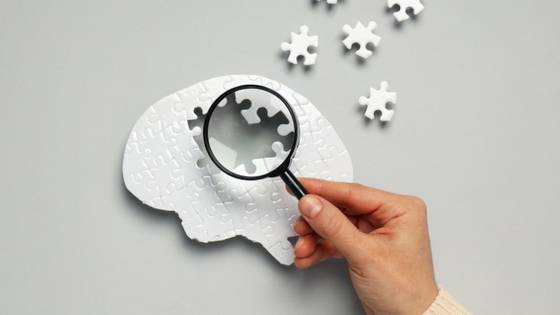
Private memory assessment in Edinburgh: what to expect
NHS memory services do important work, but waits can be long and the focus is mainly on whether dementia is present. Some people want answers sooner, or want to understand what may be…

Memory loss in your 40s and 50s: what’s normal and when to worry
Walking into a room and forgetting why. Losing your train of thought in a meeting. Forgetting an appointment you'd written down. In your 40s and 50s these moments can feel alarming,…

Is my mum’s memory loss normal? Signs to look for and what to do
Often it's a son or daughter who first notices that something has changed. A repeated story, a missed birthday, an unpaid bill. It's hard to know whether it's just getting older or…

Is forgetting words a sign of dementia?
Most of us know the feeling: the word is on the tip of your tongue, but it won't come. When it starts to happen more often, it's natural to wonder whether it means something more serious.

How to get a dementia diagnosis in Scotland: a step-by-step guide
If you're worried about your own memory, or someone close to you, getting a clear answer can feel daunting. Knowing what to expect at each stage can make it easier.

When does Alzheimer’s start? Brain changes before symptoms
A recent article stopped me in my tracks. It described a small number of people who received a particular growth hormone treatment as children and developed cognitive symptoms some 30…
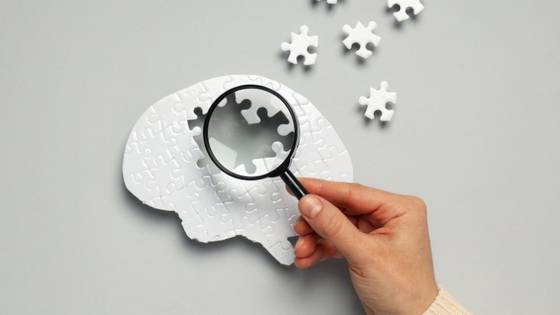
Bone density and memory: is there a link?
We usually think about bone density in terms of fracture risk, and memory in terms of brain health. A new study suggests the two may deserve a closer look together.

Anticholinergic medications and dementia risk: what the MHRA says
The medicines you take today could have implications for your brain health tomorrow. A recent safety update from the UK’s Medicines and Healthcare products Regulatory Agency (MHRA) has…

Which adaptogen is best? Why they are not all the same
Adaptogens have become one of the most popular trends in natural health—and for good reasons.These herbs help the body adapt to stress, support resilience, and promote balance across…

Vitamin D and brain health: does your level matter?
Vitamin D is one of those nutrients I keep coming back to when we talk about brain health. And new research gives us another reason to pay attention to it.

Sugar rationing and long-term health: what the research found
Sometimes the most fascinating health research comes from circumstances nobody would deliberately recreate. Britain’s sugar rationing during and after the Second World War created one of…

Garlic for brain health: how it may support memory
Garlic (Allium sativum) is one of the most accessible yet powerful tools we havefor supporting brain health. From a functional medicine perspective, cognitivedecline is rarely caused by one…

Herbal medicine for detoxification: supporting the body
Detoxification has become a major focus in modern health—but from a herbal and functionalmedicine perspective, it’s often misunderstood. The body already has highly…
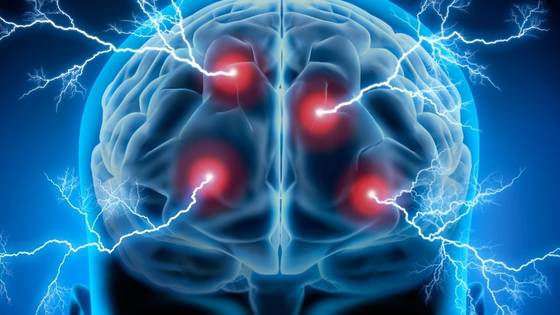
Placebo effect and memory: can a pill you know is fake help?
What if one of the most powerful tools for protecting the ageing brain is already inside it? A fascinating new study gave healthy older adults placebo pills for three weeks.
Metabolic flexibility and brain health: what it means
When we talk about protecting the brain as we age, we often think about sleep, exercise, genetics and keeping mentally active. But there’s another question worth asking: How well can…

Precision medicine for dementia: what the EVANTHEA trial found
One of the most exciting presentations at this year’s IPM2026 conference was the announcement of the preliminary results from the EVANTHEA trial—a randomised controlled study investigating…

Why do I have brain fog? Common causes explained
Brain fog is one of the most common cognitive complaints people experience. It can feel as though your thinking is slower than usual, your memory isn’t as sharp, or your…
How to get rid of brain fog: causes and what may help
If you’ve ever felt mentally sluggish, struggled to focus or found yourself forgetting simple things, you’ve probably wondered how to get rid of brain fog. The good news is that…

HRV and brain health: what it shows about sleep and dementia risk
A groundbreaking 2026 review paper by neuroscientist Maiken Nedergaard (Science, 2026) reveals that Heart Rate Variability (HRV) is far more than a stress marker. It provides a direct…

Early signs of cognitive decline: what is normal and what isn’t
Occasional memory lapses are a completely normal part of getting older, but true early signs of cognitive decline involve persistent changes that disrupt your daily function, such as…

Inflammation and brain fog: how it affects memory and thinking
Chronic low-grade inflammation crosses the blood-brain barrier, triggering neuroinflammation. This process irritates brain tissue, disrupts cell communication, and impairs the brain’s…

Biological age and dementia: what the King’s College study found
A fascinating study from King’s College London has highlighted something functional medicine practitioners have been discussing for years: your body can age biologically faster than the…

Shingles and dementia risk: can the virus affect the brain?
Image by freepik For years, shingles was viewed primarily as a painful skin and nerve condition. However, emerging research suggests the Varicella zoster virus (VZV)—the same virus behind…

Which adaptogen is best for me? Why one size doesn’t fit all
Adaptogens have become one of the most popular trends in natural health—and for good reason. These herbs help the body adapt to stress, support resilience, and promote balance across key…

Herbal polypharmacy: why herbalists combine several herbs
One of the defining features of herbal medicine is the use of polypharmacy—combining multiple herbs within a single formula. While this can seem complex from the outside, it is in…

Dementia care support: a structured approach to cognition
Dementia care focuses on supporting cognitive function, maintaining independence, and improving quality of life. A structured, evidence-based approach can help individuals and families…

Brain fog causes: what it is and how to improve clarity
Brain fog is a term used to describe reduced mental clarity, poor focus, and slower thinking. While it is common, it is not something that should be ignored. It often…
Cognoscopy brain health assessment explained
A cognoscopy is a comprehensive assessment designed to evaluate brain health and cognitive function at a much deeper level than standard testing. Rather than focusing only on symptoms such…
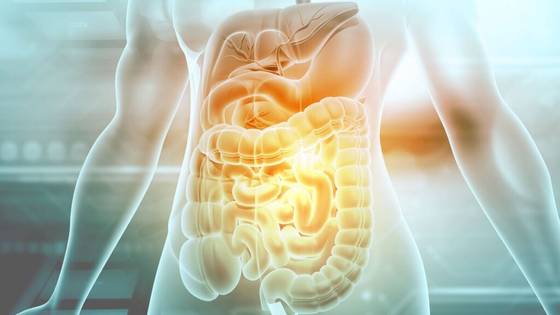
Parkinson’s and gut health: what does the research say?
For years, scientists have suspected a connection between the gut and the brain in neurodegenerative diseases. Now, emerging research is strengthening that link in ways that may open up…

Can medications cause memory loss and cognitive decline?
What Is Drug Related Cognitive Impairment and Why Does It Matter? Drug related cognitive impairment refers to changes in brain function caused by medications. This is far more common than…
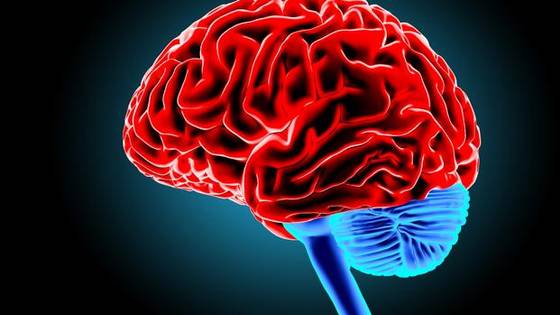
Brain vascular health and dementia: is blood flow the missing link?
When we think about dementia prevention, conversations often centre on amyloid plaques and neurodegeneration. However, emerging research suggests that brain vascular health may play an…
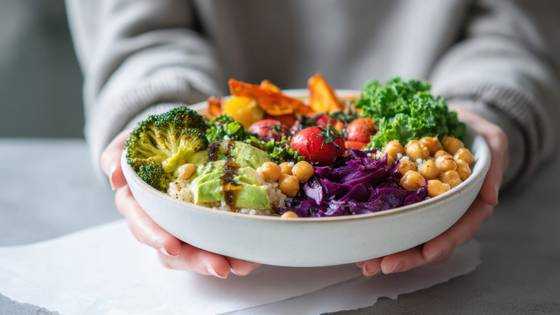
Ketogenic diet and brain health: how the brain uses ketones
For many years we treated the brain and body as if they were separate. We now know they communicate constantly—through nerves, hormones, immune signals, and a selective blood–brain barrier…

Ozempic and muscle loss: what it means for brain health
GLP-1 medications such as Ozempic, Wegovy and Mounjaro are being widely described as wonder drugs for obesity, Type 2 diabetes and cardiovascular risk. For many people, they offer real and…

Artificial sweeteners and memory loss: what the study found
High consumption of artificial sweeteners is associated with a 62% faster rate of cognitive decline, equivalent to roughly 1.6 years of brain aging, particularly in individuals under 60 and…

Acupuncture for cognitive decline: what does the evidence show?
Acupuncture a supportive neuromodulatory therapy My interest in acupuncture for cognitive health comes from clinical experience as much as research. I completed part of my acupuncture…

Bacopa monnieri (Brahmi) for memory and brain health
Some herbs don’t shout for attention. They work quietly, steadily, and over time you realise something has shifted. Bacopa monnieri, also known as Brahmi, is very much one of those herbs…

How to stay healthy at Christmas: a functional medicine guide
Christmas. A magical time of year filled with twinkly lights, mince pies, mulled wine… and blood sugar chaos, digestive distress, poor sleep, family dynamics, and the mysterious…

Menopause brain fog: why HRT may not clear it up
In midlife, many women begin to notice changes that feel subtle at first — lapses in memory, reduced mental sharpness, word-finding difficulties, poorer focus, disrupted sleep, or a sense…

Microplastics in blood: what my PlasticTox test showed
When I received my PlasticTox blood screen, I half expected a clean report. After all, I’m someone who filters water, avoids processed food, and has spent years championing prevention…

Air pollution and dementia: what the new PM2.5 research shows
A landmark study published in Science (Zhang et al., 2025) has uncovered compelling evidence that air pollution—specifically fine particulate matter known as PM2.5—not only increases…

Herbs for brain health: gotu kola and rosemary explained
Written by Jean Dow, Medical Herbalist and Functional Medicine Practitioner, Cogmission Ltd At Cogmission, our mission is simple: to improve brain health through a proactive, preventative…
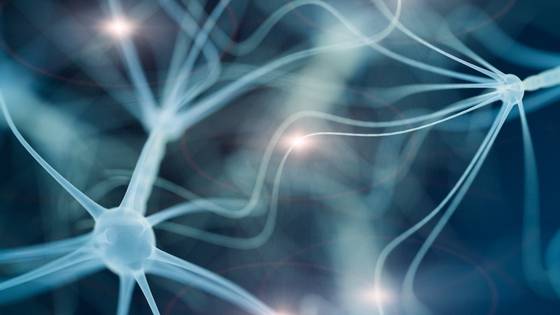
Can adults grow new brain cells? What the 2025 study found
For decades, one of neuroscience’s great debates has been whether adults can grow new brain cells. We’ve long accepted that babies and young children generate new neurons to build their…
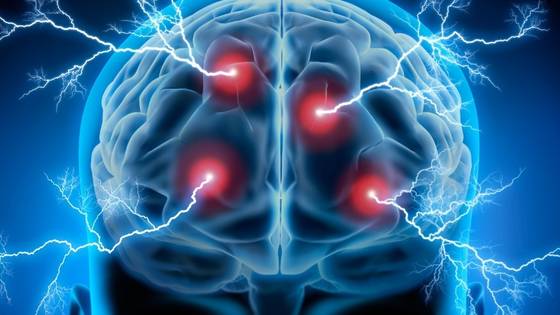
Brain glycogen and Alzheimer’s: what the new study found
What if the very fuel our brain relies on is also contributing to its decline in later years? A new study published in Nature Metabolism (2025) has uncovered a powerful…
Omega-3 and Alzheimer’s: what the King’s College London study found
A powerful new study has shed light on why women are more likely to develop Alzheimer’s disease than men — and, more importantly, what we can do about it. Researchers…
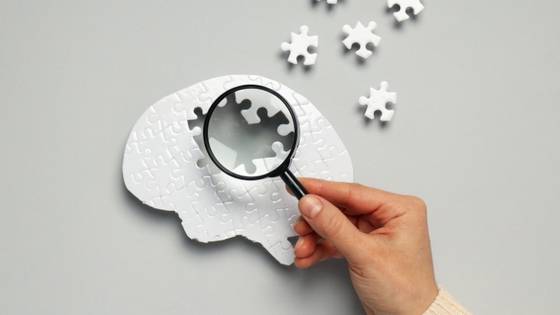
What causes Alzheimer’s disease? A newer immune theory
What if Alzheimer’s doesn’t start in the brain at all? For decades, we’ve been told it’s a brain-first disease driven by sticky clumps of beta-amyloid. That story has shaped billions…
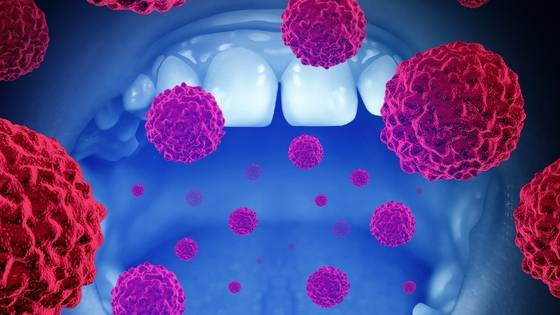
Oral bacteria and depression: is there a link?
For nearly eight years, we’ve routinely tested the oral microbiome in our cognitive health patients.
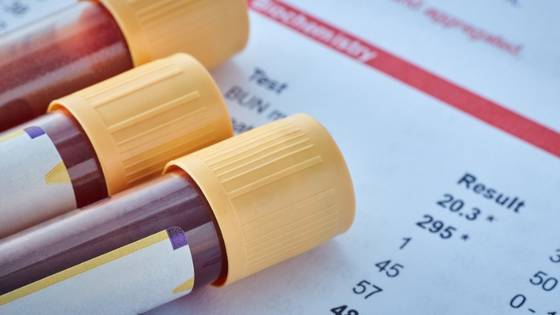
Blood test markers for longevity: what centenarians show
Imagine turning 100 and still feeling clear-minded, mobile, and full of life. That’s becoming less of a fantasy and more of a reality.

Young-onset dementia risk factors: what a UK Biobank study found
Introduction: In the domain of functional medicine and dementia prevention, understanding risk factors is paramount. While well-known factors such as diabetes, stroke, heart disease, and…

Does ultra-processed food raise dementia risk?
We’ve all heard about the perils of junk food – those tasty, convenient treats that fill our bellies but may empty our health. But did you know they could also…

Midlife brain health check: how a Cognoscopy works
As we journey through life, our brain health becomes increasingly vital, especially as we age. The ability to think clearly, focus, and remember are fundamental to maintaining our…
Brain health programme: a 6-week nutrition and lifestyle course
WHAT IS THE BRAIN HEALTH PROGRAMME? The Brain Health Programme is six weeks nutrition and lifestyle coaching programme. It has been designed to optimise brain health and cognitive function…
Gut health and Alzheimer’s: what the microbiome research shows
The researches confirm what we see in clinic: ‘Our results are indisputable: certain bacterial products of the intestinal microbiota are correlated with the quantity of amyloid plaques in…
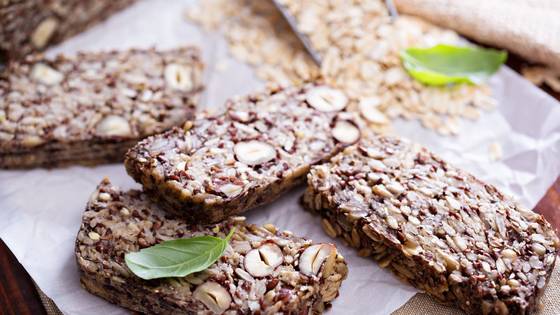
Keto bread recipe: easy gluten-free nut and seed loaf
Thankfully we don’t have to give up our favourite foods, such as bread when on Keto-Flex diet. This recipe is also gluten free and packed with nutritious seeds and nuts.
Neurofeedback for brain injury: can it help after TBI?
Can Neurofeedback help in Traumatic Brain Injury (TBI)? More than one million people worldwide experience severe injuries and traumas to the brain each year. The effects of a Traumatic Brain…

Vielight Neuro Gamma review: can brain light therapy help memory?
The Vielight Neuro Gamma device is a powerful brain photobiomodulation (PBM) tool When Dr. Dale Bredesen first mentioned the Vielight to us as a potential game-changer in our practice, we…

Keto berry almond slice recipe with fresh summer berries
For those of us with sweet tooth, Keto Flex diet still has a wide range of options to offer, for delicious desserts which are easy to make. In summer time…

Gut microbiome and Alzheimer’s: why gut testing matters
Alzheimer’s disease doesn’t start in the brain. Obviously, it’s a brain disease, but it’s reductive to pretend that the brain is separate from the rest of your body.
Can a brain injury cause gut problems? The gut-brain link
The aftermath of a traumatic brain injury (TBI) can be frustrating. You may struggle with remembering, or learning new things. It can be hard to keep yourself organised or to…
Neurofeedback for memory loss: who it helps and what to expect
Neurofeedback. It sounds spooky, doesn’t it? As if you’ll be wired up like in one of those old horror films. But neurofeedback is a non-invasive therapy that’s been used for…

Aducanumab: can this drug really slow Alzheimer’s?
You may have heard recently the news reports about the “first drug that can slow Alzheimer’s”. The drug company Bigen says that it will “soon seek regulatory approval in the…

Gut health and brain health: why the link matters
When we first began working with the Bredesen protocol, we were very conservative in our testing. We based most of our testing on the patient’s signs and symptoms. For a…

Bredesen Protocol for Alzheimer’s: what is it and does it work?
You’re worried about the future. Everyone knows someone with Alzheimer’s disease, but now it’s having a more direct impact on your life. You’ve received the diagnosis ‘ or a parent,…
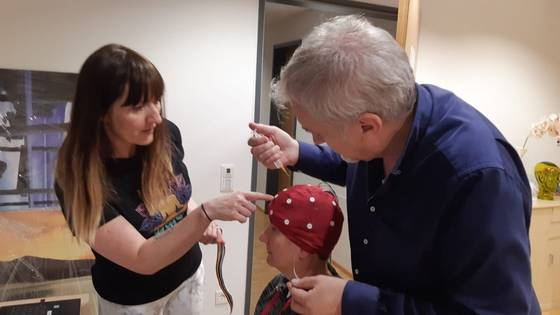
Neurofeedback for cognitive decline: what it is and how it works
The CogMission team recently had the wonderful opportunity of training in Germany on the latest neurofeedback treatment principles. We were hosted by the IFEN institute in Munich which…

Slow cooker brisket recipe for an easy autumn dinner
Autumn is truly upon us, and there is nothing better than eating a bowl of something warm and comforting in the evening.Get this brisket in the slow cooker first…

Dr Bredesen London meeting: what we learned
Jean and I have just returned from a very productive trip to London where we met Dr. Dale Bredesen. As always, in addition to discussing individual cases, a big part…

Defeating Dementia: an interview with Francis McNear
Interview with Francis McNear – author of Defeating Dementia: My Recovery From Alzheimer’s Charmaine and Jean “met” Francis McNear on a dementia Facebook group where he works to…

Environmental toxins and health: what the research says
New research is flooding in daily around environmental toxins and health and we should all be very concerned. A 2005 study of cord blood of newborn babies showed that…

Vegetable mineral broth recipe with kombu and shiitake
An alkalizing vegetable mineral Broth made from organically grown vegetables can be an excellent source of essential electrolytes. Ionic minerals are the key to maintaining good health. The…

How to prevent tick bites and tick-borne diseases
Many of our patients with cognitive decline are testing positive for tick-borne diseases including Lyme borreliosis, tick-borne encephalitis (TBE) and co-infections. Here’s what you can do…

Cell danger response: what Dr Naviaux said in Phoenix
Contrary to what everyone may expect, the conference in Phoenix was a mainstream affair. Our speakers were all mainstream Medical Practitioners, hailing from some of the best Universities in…

What is body burden and how can you reduce it?
Why a high body burden can reduce the effectiveness of your treatment and simple steps you can take to resolve this. My promise to my patients is that I…

Keto chicken curry recipe with cauliflower rice
Keto Chicken Curry Ingredients 1 small onion, roughly chopped 1 green chilli, roughly chopped 1 inch knob of ginger, roughly chopped 3 cloves of garlic Large bunch of coriander,…

Environmental toxins and brain health: what we learned in Phoenix
Working with the Bredesen protocol has been an incredible journey for Jean and myself, but one of the biggest challenges we face is when our patients show up as…

Trivita Clinic in Phoenix: what we saw on our visit
Visiting the Trivita Clinic Written by Jean Dow The Trivita Clinic ‘ is as its name suggests, is a clinic for the three most important things in patient care,…

Keto egg muffins recipe: easy, low carb and high fat
All our recipes are developed or selected by our team to ensure that they are good for brain and body, especially for those following the Bredesen Protocol…

Fasting and dementia: Cheryl Brittingham’s story
Meeting Cheryl Brittingham Written by Jean Dow Who believes in serendipity? Coincidence? Happenstance? When Charmaine and I decided to attend the Toxicity seminar in Phoenix Arizona, I had…

Keto sandwich bread recipe: anti-inflammatory and fluffy
All our recipes are developed or selected by our team to ensure that they are good for brain and body, especially for those following the Bredesen Protocol…

Bredesen protocol for cognitive decline: our 2019 workshop
The CogMission team attend Dr Bredesen’s Cognitive Decline Workshop. On Saturday 6th April 2019, The CogMission team attended Dr. Bredesen’s workshop on Cognitive Decline, in London. We…

Keto cottage pie recipe with cauliflower mash
All our recipes are developed or selected by our team to ensure that they are good for brain and body, especially for those following the Bredesen Protocol…

Keto bone broth recipe for the slow cooker
Bone broth is an essential aspect of a keto-diet for meat eaters and this recipe is from the brilliant Dr Kellyann Petruccl. It takes care of itself in the slow…

Cauliflower rice stir fry with coconut and veg
Stir fry is the perfect speedy mid-week dinner, and this keto-friendly version uses whizzed up cauliflower instead of rice to really boost your veg intake for the day. All our…

Keto pancakes recipe: easy, low carb and ready in 15 minutes
Ketogenic pancakes are simpler than you think. There’s something about pancakes that can turn a regular Sunday morning into a lazy, indulgent Sunday morning, and we don’t think you need…

Keto roasted broccoli with garlic, lemon and parmesan
This is broccoli, but even more delicious than normal! We love this recipe, adapted from the wonderful Recipe Tin Eats. It’s the perfect side dish for fish, meat or…

Keto broccoli soup recipe with Brussels sprouts
This green, winter soup is a great option for those looking for a delicious yet health-conscious starter for a festive meal. Broccoli is rich in Vitamin C and has nearly…

Gluten-free granola recipe: crunchy and keto-friendly
Many people on a keto-friendly diet might disagree that breakfast is the most important meal of the day if they are fasting overnight, but that doesn’t mean you can’t indulge…
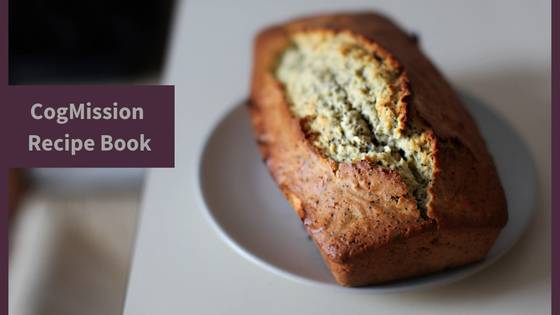
Gluten-free banana bread recipe: grain-free, high protein
This gluten-free banana bread is the perfect breakfast treat. Whip it up at the weekend and enjoy with afternoon tea or have it as a sweet snack when you need…
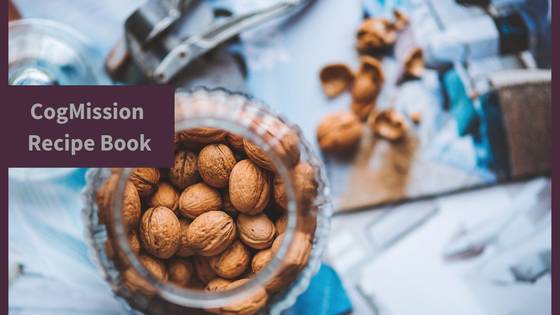
Keto oatcakes recipe: paleo, grain-free ‘no-oat’ oatcakes
The quintessential Scottish oatcake gets a keto-friendly twist in this paleo recipe. These have a touch of herbs for a flavour boost, but are simple enough to pair with lots…
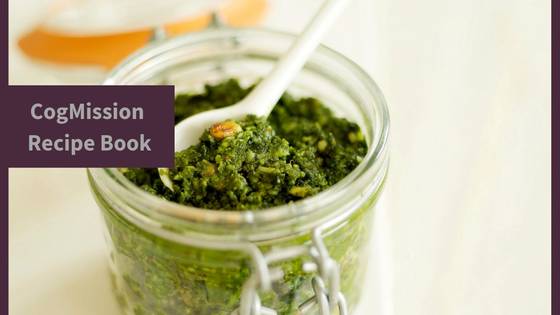
Keto pesto pasta recipe with courgette spaghetti
Looking for a keto-friendly pesto pasta recipe, and wondering if such a thing exists? Never fear! This recipe uses courgette as a substitute for spaghetti and features a simple homemade…
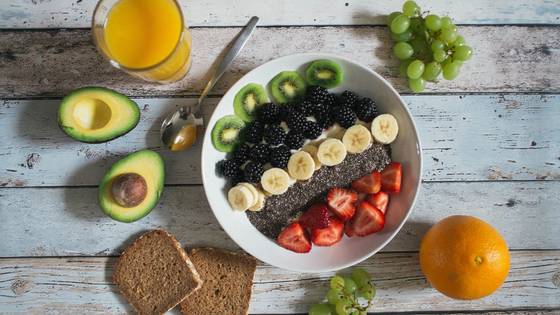
Brain health programme in Edinburgh: nutrition and lifestyle talk
The key to brain health is in the nutrition and lifestyle choices that we make. The latest research into Dementia and Alzheimer’s Disease reveals that our diet and lifestyle choices…

Insulin resistance and Alzheimer’s: what is the link?
Insulin, glucose, Alzheimer’s disease, Dementia … how are these things all connected? We’ll be honest, it can get a little complicated, but we know so much more about the human…

Mediterranean diet and dementia: what should you eat?
Recently, articles promoting the Mediterranean diet to prevent cognitive decline have been making a bit of impact on the news in the UK Earlier in the month, news outlets picked…

Dementia Action Week: 5 ways to support people with dementia
Did you know that it’s Dementia Action Week? Organised by the Alzheimer’s Society, this week is a time to recognise the challenges faced by those experiencing cognitive decline, celebrate…

Depression as a dementia carer: how to cope and get support
Back in 2014, a study reported that 4 in 10 people caring for Dementia patients suffer from Depression. It’s not difficult to imagine why. The emotional and physical strength needed…

Bredesen Protocol Today Show recap: what the 2016 episode covered
That was a few years ago now, so we thought we would recap what was covered there, and look at how research has progressed in that time. If you’ve just…

Sedentary lifestyle and brain health: how to move more
Worried about not being active with a sedentary lifestyle? We all know that sitting down for long periods isn’t great for our physical health, but recent research has shown…
Can Alzheimer’s be reversed? What Dr Dale Bredesen says
Dr. Bredesen first published research results which showed significant improvement in 90% of respondents. Dr Bredesen was recently interviewed by CBN news where he discussed in depth his…

Exercise for brain health: how much do you need?
When we exercise the body, we also exercise the brain Several studies have shown that with moderate daily exercise we can greatly affect cognitive function and slow down cognitive decline.

Fasting and brain function: can it improve focus and memory?
Why it makes sense that fasting enhances cognition Our ancestors were adapted to an environment of food scarcity. It has only been in the last century that people are…

Diet and brain health: can eating well reduce mental decline?
Eating the right foods can reduce mental decline An international team of researchers found that seniors who consumed the most nutritious food had a nearly 25 percent reduction in the…

Dementia care team support: why one carer is not enough
One of the most reliable predictors of the outcome of the treatment is how committed the care team is to support the patient. We ask a lot of our patient’s…
No articles match “”
Try a shorter search, or one of these popular topics:
Brain health tips
An initial set of emails twice per week for 4 weeks, and then a once-a-month email providing practical, research-based advice from our clinicians, straight to your inbox. Unsubscribe any time. Privacy policy.
Worried about your memory or someone you love? Talk it through with a CogMission clinician.