
Garlic for brain health: how it may support memory
Quick answer
Garlic may support brain health in several ways. It contains sulfur compounds such as allicin, which have anti-inflammatory and antioxidant properties. It may also help regulate blood pressure, improve circulation and support blood sugar balance and gut bacteria, all of which are linked to cognitive health. We suggest crushing garlic and letting it sit briefly before eating.
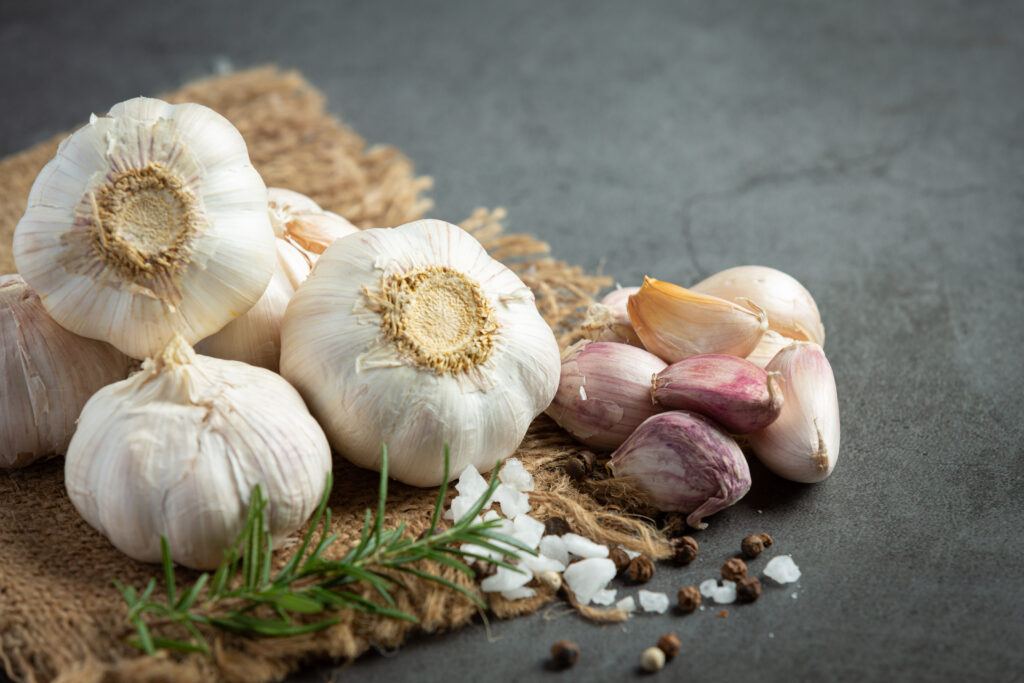
Garlic (Allium sativum) is one of the most accessible yet powerful tools we have
for supporting brain health. From a functional medicine perspective, cognitive
decline is rarely caused by one single factor. Instead, it reflects a combination of
inflammation, poor blood sugar regulation, cardiovascular issues, and oxidative
stress—all areas where garlic can play a supportive role.
Rich in sulfur compounds such as allicin, garlic has potent anti-inflammatory and
antioxidant properties. These help to reduce systemic inflammation, a key driver
in neurodegenerative conditions, while also protecting delicate brain cells from
oxidative damage. In clinical practice, this is particularly relevant when working
preventatively with individuals concerned about memory or dementia risk.
Garlic also supports cardiovascular health by helping to regulate blood pressure
and improve circulation. This is crucial, as optimal blood flow ensures a steady
supply of oxygen and nutrients to the brain. Alongside this, garlic may aid blood
sugar balance, an often-overlooked factor in cognitive health, with dysregulation
increasingly linked to Alzheimer’s disease.
From a gut-brain perspective, garlic acts as a prebiotic, supporting beneficial
bacteria and contributing to a healthier microbiome—an essential foundation for
mood, cognition, and immune balance.
At Cogmission, we emphasise simple, sustainable strategies for long-term brain
health. Incorporating garlic regularly into the diet—ideally crushed and allowed to
sit briefly before eating—is a practical, evidence-informed step that supports
multiple systems at once.
Common questions
Is garlic good for your brain?
We see garlic as a supportive food for brain health. Its sulfur compounds, such as allicin, have anti-inflammatory and antioxidant properties, which may help reduce inflammation and protect brain cells from oxidative damage. It is one helpful step, not a single solution.
Can garlic help lower the risk of dementia?
Garlic is relevant when working preventatively with people concerned about memory or dementia risk. Cognitive decline rarely has one cause, and garlic may help with inflammation, blood flow and blood sugar balance. We do not claim garlic prevents dementia.
What is the best way to eat garlic for brain health?
We suggest eating garlic regularly as part of your diet, ideally crushed and left to sit briefly before eating. This is a simple, sustainable, evidence-informed step that supports several body systems at once, including circulation, blood sugar balance and the gut microbiome.
This article is for general information and isn’t a substitute for personal medical advice. Please speak to your GP (family doctor) or a qualified practitioner before making changes to medication or treatment.