
Understanding Alzheimer’s, and what you can do about it
Alzheimer’s is the most common cause of dementia in the UK.1 It begins long before symptoms, which means there is often more time to act than people think.
- Trained with Dr Dale Bredesen
- From prevention to diagnosis
- Works alongside your GP

What happens in the brain
Alzheimer’s is a physical disease of the brain. Two proteins build up abnormally:2,6
- Amyloid forms plaques around brain cells
- Tau forms tangles inside brain cells
As cells are affected, levels of chemical messengers fall, especially acetylcholine, and parts of the brain shrink. The areas for memory are usually affected first.2
In less common forms, the first symptoms affect vision or language rather than memory.2
From silent changes to later stages
Symptoms usually progress slowly over several years, but the speed varies from person to person.3 Infections, delirium and some medicines can make symptoms worse, so rapid change should always be checked by a doctor.3
- 01Years before symptoms
Silent changes
Amyloid and tau begin to build up many years before any symptoms appear.2 This is the window where prevention matters most.
- 02Noticeable, but coping
Mild cognitive impairment
Memory or thinking changes that are noticeable but don’t stop everyday life. An estimated 10 to 15% of people with MCI develop dementia each year, but not everyone does.11
- 03Mild Alzheimer’s
Early stage
Forgetting recent conversations, misplacing things, struggling for words, repeating questions, and finding decisions harder.3
- 04Moderate Alzheimer’s
Middle stage
Greater confusion, difficulty recognising people, getting lost, sleep and mood changes, and needing help with daily tasks.3 When to stop driving
- 05Severe Alzheimer’s
Later stage
Significant memory loss, difficulty eating and moving, and loss of speech. Full-time care is usually needed.3
What raises the risk, and what you can change
Age and inherited risk
APOE ε4
APOE (apolipoprotein E gene) ε4 is the best-known risk gene. The more copies you have, the higher the risk, but some people with two copies never develop dementia, and many people develop it without any.7
A healthier lifestyle is linked to slower decline in carriers and non-carriers alike.16
Modifiable risk
Blood pressure, cholesterol, diabetes, hearing and vision loss, inactivity, smoking, alcohol, depression, head injury, social isolation and air pollution are all linked to dementia risk.8
The WHO recommends tackling several of these together.9 See our brain health tips.
How Alzheimer’s is diagnosed
See your GP
They’ll ask about changes, check your general health, and may arrange blood tests to rule out other causes.4
Memory clinic
A specialist assesses memory, attention, language and orientation. There is no single simple test.4
Scans and further tests
These help confirm the diagnosis and rule out other conditions.4
New blood tests
Tests such as p-tau217 are being evaluated in UK memory clinics but are not yet routinely available.12
What the NHS offers
There is no cure, but treatments can help with symptoms for a time.5
- Donepezil, galantamine or rivastigmine for mild to moderate Alzheimer’s. Side effects can include nausea and loss of appetite, which often settle.5,10
- Memantine for moderate or severe Alzheimer’s, or when the others can’t be taken.5,10
- Cognitive stimulation therapy and other non-drug support.1
- Lecanemab and donanemab are licensed in the UK but not currently funded on the National Health Service (NHS); talks with National Institute for Health and Care Excellence (NICE) are ongoing.13
Our programme works alongside these treatments, never instead of them.
The Bredesen-informed approach
Dr Dale Bredesen proposed that Alzheimer’s is a complex illness with many contributing factors, and that a personalised programme tackling those factors together may help.14 Our practitioners trained with him, and combine his principles and functional testing with more than 40 years’ combined experience treating complex conditions.
We’re honest about the evidence. Published results so far come mainly from case series rather than large controlled trials,15 so we set realistic goals and measure progress objectively.
Our aim: identify what may be driving decline for each person, and support cognitive health and quality of life.
Factors we assess
- Blood sugar and insulin resistance
- Inflammation
- Nutrients such as B12, folate and vitamin D
- Hormones and thyroid
- Heart and blood vessel health
- Sleep and possible sleep apnoea
- Gut and oral health
- Toxic exposures, where the history suggests it
- Genetic risk, including APOE
Where you are, and how we can help
Reduce your risk
Our four-week Brain Health Programme, £395.
Find out more Worried, or diagnosed with MCIGet a clear picture
A Cognoscopy: in-depth testing and a personalised plan. From £3,650.
Find out more Diagnosed with Alzheimer’sIndividual Programme
Comprehensive assessment, a tailored care plan and ongoing support. From £3,600, plus a monthly subscription.
Find out more Planning aheadCare suggestions
Care at home or a care home, costs and funding in Scotland.
Find out moreExperienced, Bredesen-trained practitioners
Our clinic directors lead every assessment and care plan, supported by our patient care team.
Meet the team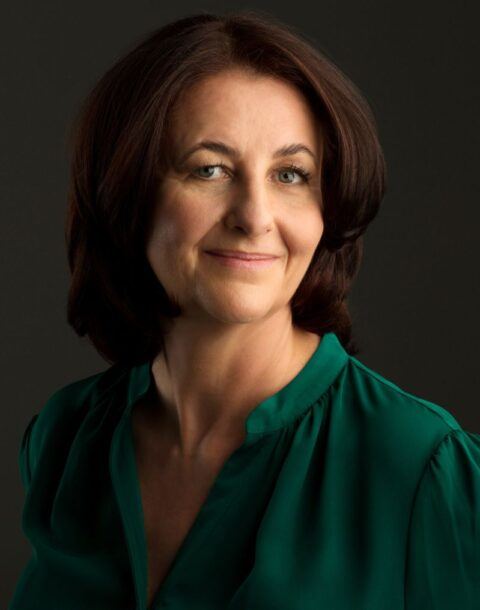 Charmaine ShepherdClinic Director, Functional Medicine Practitioner
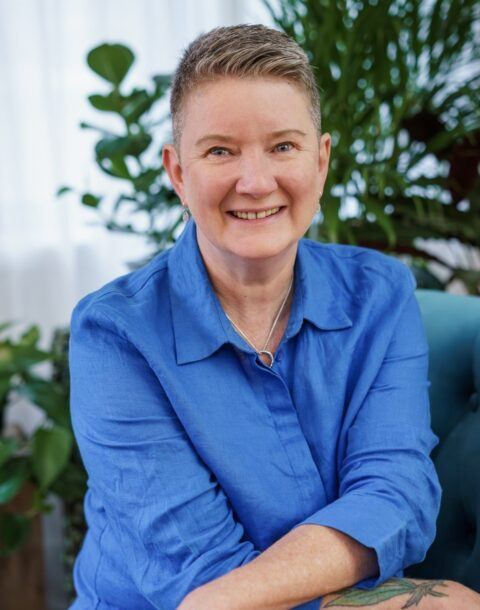 Jean DowClinic Director, Functional Medicine Practitioner & Medical Herbalist
 Joanna BednarekHealth Coach and Client Support
Is Alzheimer’s the same as dementia?
No. Dementia is the umbrella term for a group of symptoms; Alzheimer’s disease is its most common cause.1 See the other types of dementia.
If a parent had Alzheimer’s, will I get it?
Not necessarily. Inherited genes usually raise risk only slightly; single-gene forms are rare.2 Knowing your family history is a good reason to focus on prevention.
Should I have an APOE test?
It can be useful for some people, but it is not a diagnosis.7 We discuss the pros and cons with you first.
Can the Bredesen approach reverse Alzheimer’s?
Some case reports describe improvements, but the evidence comes mainly from small case series,14,15 and results vary. We focus on what can be supported and measure progress honestly.
Do I need to stop my medicines?
No. Our plans work alongside your GP‘s (family doctor’s) or specialist’s treatment. Any changes to prescribed medicines are made by your prescriber.
References
- NHS. Alzheimer’s disease. nhs.uk/conditions/alzheimers-disease
- NHS. Alzheimer’s disease: causes. nhs.uk/conditions/alzheimers-disease/causes
- NHS. Alzheimer’s disease: symptoms. nhs.uk/conditions/alzheimers-disease/symptoms
- NHS. Alzheimer’s disease: diagnosis. nhs.uk/conditions/alzheimers-disease/diagnosis
- NHS. Alzheimer’s disease: treatment. nhs.uk/conditions/alzheimers-disease/treatment
- Alzheimer’s Society. What is tau and what role does it play in dementia? 10 September 2025. alzheimers.org.uk/blog/what-tau-and-what-role-does-it-play-dementia
- Alzheimer’s Society. Can genes cause dementia? alzheimers.org.uk/about-dementia/can-genes-cause-dementia
- Livingston G, et al. Dementia prevention, intervention, and care: 2024 report of the Lancet standing Commission. The Lancet, 2024. thelancet.com/commissions-do/dementia-prevention-intervention-and-care
- World Health Organization. Risk reduction of cognitive decline and dementia: WHO guidelines, second edition. 15 July 2026. who.int/publications/i/item/9789240123557
- NICE. Dementia: assessment, management and support (NG97). 2018, reviewed October 2025. nice.org.uk/guidance/ng97/chapter/Recommendations
- Alzheimer’s Association. Mild cognitive impairment. alz.org/alzheimers-dementia/what-is-dementia/related_conditions/mild-cognitive-impairment
- Alzheimer’s Research UK. How Alzheimer’s Research UK helped develop blood tests. 10 September 2026. alzheimersresearchuk.org/news/how-alzheimers-research-uk-helped-develop-blood-tests
- The Pharmaceutical Journal. Pharmaceutical companies in talks with NICE about access to Alzheimer’s drugs. 30 July 2026. pharmaceutical-journal.com/article/news/pharmaceutical-companies-in-talks-with-nice-about-access-to-alzheimers-drugs
- Bredesen DE. Reversal of cognitive decline: a novel therapeutic program. Aging, 2014. pubmed.ncbi.nlm.nih.gov/25324467
- Review of the Bredesen protocol evidence: case-series study designs (PMC7377549). pmc.ncbi.nlm.nih.gov/articles/PMC7377549
- Dhana K, Aggarwal NT, Rajan KB, et al. Impact of the APOE ε4 allele on the relationship between healthy lifestyle and cognitive decline. American Journal of Epidemiology, 2021. pubmed.ncbi.nlm.nih.gov/33585904
Clinically reviewed by Charmaine Shepherd, Functional Medicine Practitioner, and Jean Dow, Medical Herbalist. Last reviewed: October 2026. This page is for information and does not replace advice from your GP.
Worried about Alzheimer’s?
Book a free 20-minute call to talk through your concerns, for yourself or someone you love.