
Parkinson’s and gut health: what does the research say?
Quick answer
Research led by Hiroshi Nishiwaki at Nagoya University suggests gut bacteria may play a role in Parkinson’s disease. Stool samples from people with Parkinson’s showed bacterial changes affecting vitamin B2 and B7 production, which may weaken the gut barrier. These changes can appear years before symptoms.
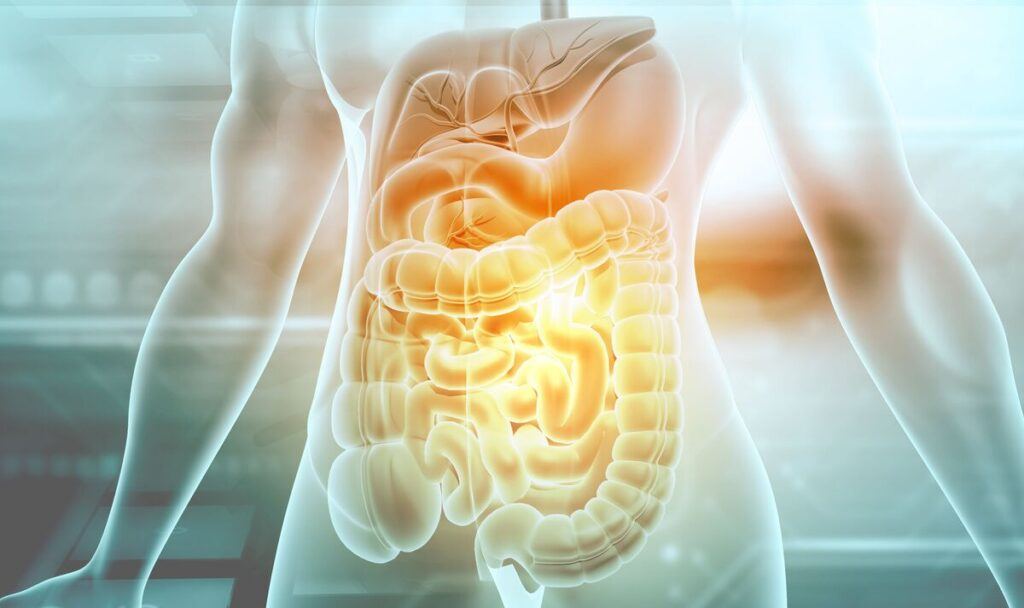
For years, scientists have suspected a connection between the gut and the brain in neurodegenerative diseases. Now, emerging research is strengthening that link in ways that may open up surprisingly simple treatment options.
What Is the Link Between the Gut and Parkinson’s Disease?
Recent research led by Hiroshi Nishiwaki at Nagoya University has highlighted a fascinating connection between gut microbes and Parkinson’s disease.
Key findings include:
- Changes in gut bacteria occur years before neurological symptoms
- These changes affect the body’s ability to produce key nutrients
- The gut may play a central role in triggering disease progression
Interestingly, this concept is not new.
In 2003, I trained in Asia at the Shanghai Research Institute of Acupuncture, working within the neurology department. It was a commonly held belief in Traditional Chinese Medicine that Parkinson’s disease should be approached through the gut.
Rather than viewing it as purely a brain disorder, the focus was on:
- Digestive function
- Internal toxin load
- The flow of energy through the gut-brain axis
It is fascinating to now see modern science beginning to validate what was observed clinically over 20 years ago.
What Did the Research Discover About Gut Bacteria?
Researchers analysed stool samples from:
- 94 patients with Parkinson’s disease
- 73 healthy individuals
They also compared global data from:
- Japan
- China
- Taiwan
- Germany
- The United States
Despite differences in bacterial strains across countries, one consistent finding emerged:
- Gut bacteria impacted pathways responsible for producing B vitamins
Why Are Vitamin B2 and B7 So Important?
The study found that people with Parkinson’s had:
- Reduced levels of riboflavin (vitamin B2)
- Reduced levels of biotin (vitamin B7)
These vitamins are essential because they support:
- Energy production
- Nervous system function
- Maintenance of the gut lining
How Does This Affect the Gut Barrier?
Low levels of B vitamins were linked to reductions in:
- Short-chain fatty acids (SCFAs)
- Polyamines
These compounds are critical for maintaining a healthy gut.
When they decrease:
- The intestinal mucus layer becomes thinner
- Gut permeability increases (often referred to as “leaky gut”)
- The nervous system becomes more exposed to harmful substances
Could Toxins Be Driving Parkinson’s Disease?
A weakened gut barrier may allow more exposure to environmental toxins such as:
- Cleaning chemicals
- Pesticides
- Herbicides
These toxins may contribute to:
- Increased inflammation in the nervous system
- Overproduction of alpha synuclein, a protein linked to Parkinson’s
- Damage to dopamine-producing brain cells
What Are the Early Signs of Parkinson’s Disease?
Interestingly, symptoms can begin up to 20 years before diagnosis.
Early signs often include:
- Constipation
- Sleep disturbances
- Subtle nervous system changes
Later stages may involve:
- Loss of muscle control
- Cognitive decline and dementia
Can B Vitamins Help Slow Parkinson’s Progression?
The research suggests a potentially simple intervention:
- Supplementation with vitamin B2 (riboflavin)
- Supplementation with vitamin B7 (biotin)
According to Nishiwaki:
- These nutrients may help reduce symptoms
- They may also slow disease progression
Previous studies have also shown:
- High-dose riboflavin improved motor function
- Dietary changes (such as reducing red meat) may enhance results
Is the Gut Microbiome the Missing Piece?
Your gut microbiome is constantly evolving and influenced by:
- Diet
- Sleep
- Stress
- Environmental exposures
Recent research has also shown:
- Some gut bacteria can store harmful “forever chemicals” (PFAS)
- Microbial balance may influence sleep quality
- Certain microbes extract more calories from food than others
This highlights a key point:
- Your gut is not static—it is highly responsive to your lifestyle
What Does This Mean for Prevention?
While Parkinson’s is complex, this research suggests several proactive strategies:
- Support gut health through a diverse, whole food diet
- Ensure adequate intake of B vitamins
- Reduce exposure to environmental toxins
- Prioritise sleep and stress management
- Consider personalised approaches to microbiome health
Final Thoughts
The idea that Parkinson’s disease may begin in the gut changes how we think about prevention and treatment.
From both modern research and traditional medical systems, we are seeing a clear convergence:
- The gut plays a foundational role in neurological health
- Nutrient status matters more than we once thought
- Early intervention may be possible
This is an exciting step forward, reminding us that even in complex conditions, sometimes the most powerful interventions are those that support the body at its roots.
Common questions
What are the early signs of Parkinson’s disease?
Symptoms can begin up to 20 years before diagnosis. Early signs often include constipation, sleep disturbances and subtle nervous system changes. Later stages may involve loss of muscle control, cognitive decline and dementia.
Can B vitamins help with Parkinson’s disease?
Research led by Hiroshi Nishiwaki suggests supplementing vitamin B2 (riboflavin) and B7 (biotin) as a possible simple approach. Nishiwaki says they may help reduce symptoms and slow progression. Earlier studies found high-dose riboflavin improved motor function, and reducing red meat may enhance results.
How might the gut affect Parkinson’s disease?
Low B vitamin levels were linked to fewer short-chain fatty acids and polyamines. This can thin the intestinal mucus layer and increase gut permeability, leaving the nervous system more exposed to harmful substances such as pesticides, which may contribute to inflammation and damage to dopamine-producing brain cells.
This article is for general information and isn’t a substitute for personal medical advice. Please speak to your GP (family doctor) or a qualified practitioner before making changes to medication or treatment.