
Neurofeedback for brain injury: can it help after TBI?
Quick answer
Neurofeedback is a form of biofeedback in which a person learns to control measurements of their brain activity. It cannot repair physical damage to the brain, but the brain’s neuroplasticity can be used to develop and exercise new neural pathways. In controlled studies, clinicians reported improvement in a wide range of neuropsychiatric symptoms after a number of sessions.
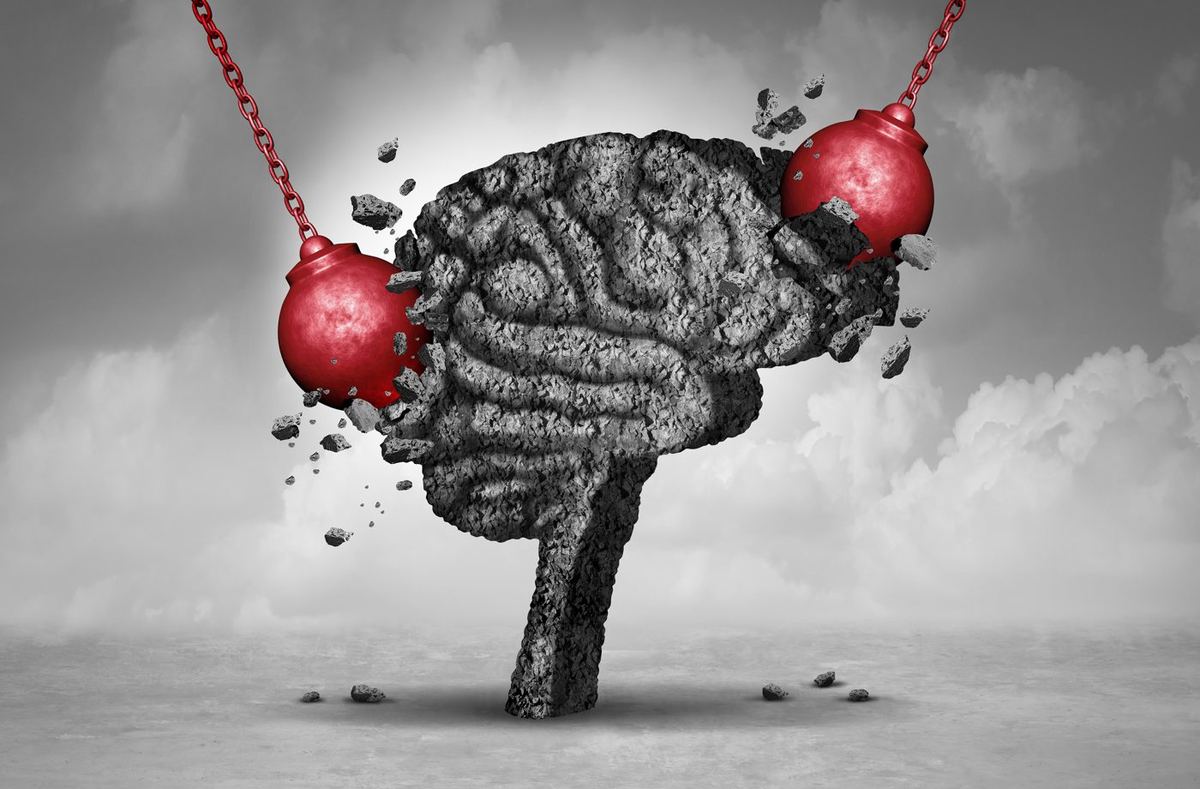
Can Neurofeedback help in Traumatic Brain Injury (TBI)?
More than one million people worldwide experience severe injuries and traumas to the brain each year.
The effects of a Traumatic Brain Injury (TBI) on an individual, depends on a number of factors and can be classified as mild, moderate or severe. Even so-called mild brain injuries can cause wide-ranging long-lasting symptoms such as headaches, anxiety, fatigue, anger, memory issues or sleep disorders.
Neurofeedback is a form of biofeedback whereby a patient can learn to control measurements of brain activity such as those recorded by an electroencephalogram. It has been explored as a treatment for the effects of traumatic brain injury. Although Neurofeedback cannot repair damage to the brain’s physical structure, the brain’s neuroplasticity can be used to develop and exercise new neural pathways to restore brain function.
Based on controlled studies to determine the potential role in Neurofeedback treatments for TBI patients, clinicians reported improvement in a wide range of neuropsychiatric symptoms after undergoing number of sessions.
In our Edinburgh Cogmission clinic, we not only offer QEEG (quantitative electroencephalogram, or brain-wave map) where you can get your personal brain map with detailed report, but we also offer Neurofeedback sessions using photobiomodulation glasses.
We will notify you once our practice is re-opens and we are able to offer Neurofeedback treatments safely. In the meantime, we are here to answer your questions, so get in touch if you have more questions about Neurofeedback.
Common questions
Can neurofeedback help after a traumatic brain injury?
Neurofeedback has been explored as a treatment for the effects of TBI. In controlled studies, clinicians reported improvement in a wide range of neuropsychiatric symptoms after a number of sessions. It cannot repair damage to the brain’s physical structure.
What symptoms can a mild brain injury cause?
Even so-called mild brain injuries can cause wide-ranging, long-lasting symptoms. These include headaches, anxiety, fatigue, anger, memory issues and sleep disorders. The effects depend on a number of factors, and injuries are classed as mild, moderate or severe.
What is neurofeedback and how does it work?
Neurofeedback is a form of biofeedback in which a person learns to control measurements of brain activity, such as those recorded by an electroencephalogram. The brain’s neuroplasticity can be used to develop and exercise new neural pathways, which may help to restore brain function.
This article is for general information and isn’t a substitute for personal medical advice. Please speak to your GP (family doctor) or a qualified practitioner before making changes to medication or treatment.