
Been told there’s nothing more to do? We don’t accept that.
If you or someone you love is living with dementia or Alzheimer’s, we focus on what can still be supported: thinking, function and quality of life, alongside the care from your doctor.
- Bredesen-trained practitioners
- 40+ years’ combined experience
- Works alongside your GP


This support is for you if…
- you or a loved one has a diagnosis of dementia or Alzheimer’s, and you feel lost or overwhelmed
- you want to explore whether a Bredesen-informed approach could help stabilise or improve thinking and memory
- you’re a family member or carer who needs guidance and a clear plan, not just a label
- you have mild cognitive impairment and want to act now
What is dementia?
Dementia is not one disease. It is an umbrella term for a group of symptoms caused by ongoing decline in how the brain works, affecting memory, thinking, language and everyday life.1
There are several types, each caused by different changes in the brain.7 Knowing which type someone has matters, because the right treatment, and the right support, can be quite different.
Not every memory problem is dementia. Low mood, poor sleep, hearing loss, thyroid problems, low B12 and some medicines can all affect thinking and should be checked.13
Not sure where things stand?
Rate six areas of everyday thinking, for yourself or someone you care for, and see a simple chart of where things are now compared with where you’d like them to be.
What is Alzheimer’s?
Alzheimer’s disease is the most common cause of dementia in the UK.1 It is a physical disease of the brain, in which two proteins build up abnormally:2
- Amyloid clumps together between nerve cells, forming plaques
- Tau forms tangles inside nerve cells, disrupting how they work and communicate
These changes begin many years before symptoms. The first sign is usually forgetting recent conversations or events; over time it can affect planning, language, orientation and mood.1
Genes play a part. The APOE (apolipoprotein E gene) ε4 variant raises risk, but some carriers never develop Alzheimer’s, and many people develop it without the gene.8 A healthier lifestyle is linked to slower decline whether or not people carry APOE ε4.12
Read our full guide to Alzheimer’sof dementia cases could potentially be prevented or delayed by addressing 14 modifiable risk factors.9
people with Alzheimer’s are under 65, known as young-onset Alzheimer’s.1
describes Alzheimer’s as a complex illness with many contributing factors, rather than a single disease. Our practitioners trained in his protocol.
Different causes, different approaches
Choose a type to see what it is, the early signs, standard National Health Service (NHS) care, and how our approach is tailored to it.
Alzheimer’s disease
Proteins build up in the brain: amyloid forms plaques between nerve cells and tau forms tangles inside them, damaging connections.2 Symptoms develop gradually over years.1
Early signs
- Forgetting recent conversations or events
- Forgetting names of places and objects
- Later: confusion, getting lost, difficulty planning, language problems
How our approach differs
- A full, Bredesen-informed assessment of factors that may contribute to decline: blood sugar and insulin, inflammation, nutrients such as B12 and vitamin D, hormones, sleep and possible sleep apnoea
- Discussion of genetic risk such as APOE ε4, which raises risk but is not a diagnosis8,12
- A personalised plan across several areas at once, in line with the WHO‘s emphasis on multi-domain risk reduction10
- Support that works alongside the medicines your specialist prescribes
Vascular dementia
Reduced blood flow damages brain tissue, often after strokes or through disease of small blood vessels. It is the second most common type of dementia in the UK.7
Early signs
- Slower thinking and difficulty concentrating or planning
- Changes that can happen in steps, for example after a stroke
- Mood changes, such as low mood or apathy
How our approach differs
- Our focus shifts strongly to the circulation: blood pressure, cholesterol (including ApoB and Lp(a) where relevant), blood sugar and homocysteine
- Practical support with movement, diet, alcohol and stopping smoking, which protect blood vessels
- Close coordination with your GP (family doctor) on blood pressure, statin and antiplatelet medicines
- The goal is to reduce further damage and protect function
Dementia with Lewy bodies
Clumps of protein called Lewy bodies form inside brain cells in areas for thinking, visual perception and movement. The same deposits are found in Parkinson’s disease.5
Early signs
- Alertness and confusion that change over minutes or hours
- Seeing things that aren’t there
- Slow movement, stiffness or tremor; acting out dreams; fainting and falls
How our approach differs
- A careful medication review, flagging anything that may worsen symptoms, shared with your doctor
- Extra attention to sleep safety, constipation and gut health, blood pressure on standing and falls
- Strength and balance work to protect mobility
- Close liaison with your neurologist or Parkinson’s team
Frontotemporal dementia
Abnormal proteins build up in the frontal and temporal lobes, which control behaviour, language, planning and organisation. Most cases are diagnosed between 45 and 65.6
Early signs
- Changes in personality or behaviour, such as impulsiveness or loss of empathy
- Language problems: slow speech, wrong or misused words
- Memory is often affected later than in Alzheimer’s
How our approach differs
- Support for the family and carers comes first: routines, communication and planning
- Nutrition support, as overeating, food fixations or swallowing problems are common
- Discussion of family history, as FTD is the common type most likely to be caused by a single gene; we can help you seek specialist genetic advice8
- We’re honest that lifestyle changes have less evidence here; our aim is wellbeing and quality of life
Mixed dementia
Two or more types occur together. The most common combination is Alzheimer’s disease with vascular dementia; Alzheimer’s with Lewy body disease also occurs.7
Early signs
- A mixture of symptoms from each type
- For example memory loss alongside slower thinking
How our approach differs
- We combine approaches: the Alzheimer’s-focused assessment plus close attention to blood vessel health
- Priorities are set by what is most likely to help each person
Parkinson’s disease dementia
Develops in people who have had Parkinson’s disease for some time. Around a third of people with Parkinson’s eventually develop dementia.7
Early signs
- Slower thinking and difficulty with attention and planning
- Visual hallucinations and changes in alertness, similar to Lewy body dementia
Standard NHS care
Managed under NICE‘s Parkinson’s guidance, with the same caution about antipsychotics as Lewy body dementia.3
How our approach differs
- Similar priorities to Lewy body dementia: medicines, sleep, gut, falls and mobility
- Working alongside your Parkinson’s specialist and nurse
Young-onset and rarer types
Dementia that starts before 65 is called young-onset; around 1 in 13 people with Alzheimer’s are under 65.1 About 1 in 20 people with dementia have a rarer type, such as posterior cortical atrophy or normal pressure hydrocephalus.7
Early signs
- Symptoms can be unusual: vision, language or behaviour rather than memory
- Often first mistaken for stress, depression or menopause
Standard NHS care
A specialist diagnosis is essential, as treatment differs widely by cause.3
How our approach differs
- Encouraging a full specialist assessment so the cause is clear
- Support for work, finances and family life, which are often affected at a younger age
- A tailored plan once the diagnosis is known
How the main types compare
| Type | Often first noticed | Alzheimer’s medicines recommended? | Our main focus |
|---|---|---|---|
| Alzheimer’s disease | Memory for recent events | Yes3 | Metabolic, inflammatory and nutrient factors; multi-domain plan |
| Vascular dementia | Slower thinking, planning; stepwise change | Only if mixed3 | Blood pressure, cholesterol, blood sugar, circulation |
| Lewy bodies | Fluctuating alertness, hallucinations, movement, sleep | Yes3 | Medication safety, sleep, gut, falls, mobility |
| Frontotemporal | Behaviour, personality or language | No3 | Carer support, nutrition, genetic advice |
| Mixed | A combination | Depends on mix3 | Combined approach |
Diagnosis and prescribing remain with your GP or specialist. Our programmes complement, and do not replace, that care.
What is mild cognitive impairment, and how is it different?
Mild cognitive impairment (MCI) means changes in memory or thinking that are noticeable, and greater than expected with normal ageing, but that don’t greatly interfere with everyday life.14 It is not the same as dementia.
| Normal ageing | Mild cognitive impairment | Dementia | |
|---|---|---|---|
| Memory and thinking | Occasional lapses, such as a name you recall later | Noticeable changes others may spot, more than expected for your age14 | Problems that steadily worsen and affect several areas of thinking1 |
| Everyday life | Unaffected | Mostly independent; daily life is not greatly affected14 | Needs increasing help with everyday tasks1 |
| Course | Stable | May stay the same, improve, or progress. It can often be improved with the right support14 | Caused by lasting damage to the brain, and gets worse over time14 |
| Is it a diagnosis of dementia? | No | No, but it raises the risk: about 10 to 15% of people with MCI develop dementia each year15 | Yes |
Alzheimer’s is a disease; dementia is the set of symptoms
Dementia is an umbrella term for symptoms caused by different diseases, and Alzheimer’s disease is the most common cause.1 Alzheimer’s develops gradually, so the same disease can first show itself as MCI and only later as dementia. MCI can also have other causes.15
Read our guide to Alzheimer’sSome causes can be treated
Memory and thinking problems can be caused by conditions that are often easy to treat, so they should always be checked:16
- Underactive thyroid or low vitamin B12
- Low or high blood sugar, or dehydration
- Infections, such as a urine infection
- Depression, and side effects of some medicines
MCI is a window to act
An MCI diagnosis doesn’t mean you’ll definitely develop dementia, and it isn’t currently possible to predict who will.14 It’s a good time to look at the risk factors you can change.9
Explore a Cognoscopy assessmentWhen should someone stop driving?
A diagnosis of dementia is not, on its own, a reason to stop driving. What matters is whether the person can still drive safely.17 Dementia gradually affects attention, judgement, reaction time and spatial awareness, so everyone with dementia will eventually need to stop.17
Who you must tell
- Dementia: you must tell the Driver and Vehicle Licensing Agency (DVLA). You can be fined up to £1,000 if you don’t tell the DVLA about a condition that affects your driving19
- Tell your car insurer straight away, or your policy may not be valid18
- MCI: you don’t always have to tell the DVLA, but you must if your symptoms affect your driving18
- If a doctor tells you to stop driving, you must stop, even while the DVLA makes its decision18
Warning signs it’s time to stop
- Getting lost on familiar routes, or forgetting where you’re going20
- Missing road signs, or errors at junctions20
- Slow or poor decisions in traffic, or driving too fast or too slowly20
- Drifting in the lane or hitting kerbs20
- Confusing the brake and accelerator20
- Becoming angry or confused while driving, or coming back from a routine trip much later than usual20
Sooner for some types
Most people with Alzheimer’s disease need to stop driving during the middle stage. Some types may mean stopping sooner, such as dementia with Lewy bodies, where visual hallucinations are common, and frontotemporal dementia, where impulsive behaviour is common.17
Not sure? A driving assessment at a Driving Mobility centre gives an independent view. It takes about three hours, including a 50-minute drive, and is not a driving test.21
Giving up driving is a big change. Planning ahead, with lifts, community transport and deliveries, helps people stay independent and connected. See our care suggestions.
Science-based, personal, and alongside your doctor
We use a Functional Medicine approach based on our training with Dr Dale Bredesen, aiming to identify the factors contributing to decline and support cognitive health.
- 01
Free call
A 20-minute call to talk through the diagnosis, your concerns and whether our approach is right for you.
- 02
In-depth assessment
Extensive testing and a detailed history to build a complete picture, tailored to the type of dementia.
- 03
Your care plan
A personalised plan that sits alongside and supports the treatment from your doctor.
- 04
Ongoing review
Regular reviews and support for the person and their family as needs change.
From prevention to diagnosed dementia
Brain Health Programme
Our four-week group programme to help lower your risk, with hands-on learning.
Find out more AssessmentCognoscopy
An in-depth brain health assessment, ideal for anyone over 40 who wants a plan.
Find out moreIndividual Programme
For people with dementia or Alzheimer’s: comprehensive assessment by Charmaine Shepherd and Jean Dow, a tailored care plan and ongoing support.
From £3,600, plus a monthly subscription
Request a schedule of feesExperienced, Bredesen-trained practitioners
Our clinic directors have more than 40 years’ combined experience treating complex conditions, and our team brings lived experience to the support we give.
Meet the team Charmaine ShepherdClinic Director, Functional Medicine Practitioner
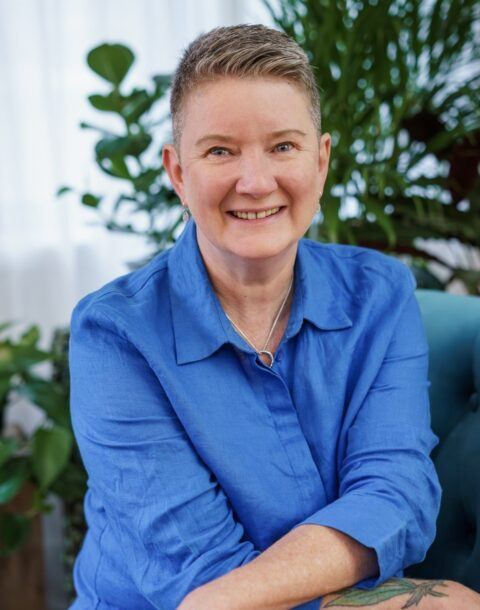 Jean DowClinic Director, Functional Medicine Practitioner & Medical Herbalist
 Joanna BednarekHealth Coach and Client Support
Can you help if the dementia is already diagnosed?
Yes. We support people from prevention through to diagnosed dementia. Our aim is to support thinking, function and quality of life, alongside the care from your doctor.
Does the approach depend on the type of dementia?
Yes. The type affects which factors we prioritise and what we’re careful about, for example blood vessel health in vascular dementia, or medication sensitivity in Lewy body dementia.
Do we need to stop current medicines?
No. Our plans sit alongside the treatment your GP or specialist provides. Any changes to prescribed medicines are always made by your prescriber.
Can family members join appointments?
Yes, and we encourage it. Families and carers are an important part of the plan.
We’re not sure which type it is. Can you help?
We can talk through what’s happening and help you prepare for a specialist assessment, which is the best way to get a clear diagnosis.
References
- NHS. Alzheimer’s disease. nhs.uk/conditions/alzheimers-disease
- Alzheimer’s Society. What is tau and what role does it play in dementia? 10 September 2025. alzheimers.org.uk/blog/what-tau-and-what-role-does-it-play-dementia
- NICE. Dementia: assessment, management and support for people living with dementia and their carers (NG97). 2018, reviewed October 2025. nice.org.uk/guidance/ng97/chapter/Recommendations
- NHS. Vascular dementia: treatment. nhs.uk/conditions/vascular-dementia/treatment
- NHS. Dementia with Lewy bodies. nhs.uk/conditions/dementia-with-lewy-bodies
- NHS. Frontotemporal dementia. nhs.uk/conditions/frontotemporal-dementia
- Alzheimer’s Society. Types of dementia. dementiaconnect.alzheimers.org.uk/about-dementia/types-dementia
- Alzheimer’s Society. Can genes cause dementia? alzheimers.org.uk/about-dementia/can-genes-cause-dementia
- Livingston G, et al. Dementia prevention, intervention, and care: 2024 report of the Lancet standing Commission. The Lancet, 2024. thelancet.com/commissions-do/dementia-prevention-intervention-and-care
- World Health Organization. Risk reduction of cognitive decline and dementia: WHO guidelines, second edition. 15 July 2026. who.int/publications/i/item/9789240123557
- The Pharmaceutical Journal. Pharmaceutical companies in talks with NICE about access to Alzheimer’s drugs. 30 July 2026. pharmaceutical-journal.com/article/news/pharmaceutical-companies-in-talks-with-nice-about-access-to-alzheimers-drugs
- Dhana K, Aggarwal NT, Rajan KB, et al. Impact of the apolipoprotein E ε4 allele on the relationship between healthy lifestyle and cognitive decline. American Journal of Epidemiology, 2021. pubmed.ncbi.nlm.nih.gov/33585904
- NICE. Hearing loss in adults: assessment and management (NG98). 2018. nice.org.uk/guidance/ng98
- Dementia UK. What is mild cognitive impairment (MCI)? dementiauk.org/information-and-support/health-advice/what-is-mild-cognitive-impairment
- Alzheimer’s Association. Mild cognitive impairment (MCI). alz.org/alzheimers-dementia/what-is-dementia/related_conditions/mild-cognitive-impairment
- Sanford AM, et al. Reversible causes of cognitive impairment. StatPearls, NCBI Bookshelf. ncbi.nlm.nih.gov/books/NBK599514
- Alzheimer’s Society. Driving and dementia. alzheimers.org.uk/get-support/staying-independent/driving-and-dementia
- Alzheimer’s Society. Driving with dementia: the law. alzheimers.org.uk/get-support/staying-independent/driving-dementia-law
- GOV.UK. Dementia and driving. gov.uk/dementia-and-driving
- Alzheimer’s Association. Dementia and driving. alz.org/help-support/caregiving/safety/dementia-driving
- Driving Mobility. Driving assessments. drivingmobility.org.uk/assessments/driving-assessments
Clinically reviewed by Charmaine Shepherd, Functional Medicine Practitioner, and Jean Dow, Medical Herbalist. Last reviewed: October 2026. This page is for information and does not replace advice from your GP.
You don’t have to face this alone
Book a free 20-minute call to talk through your situation and explore whether our approach is right for you.