
Sedentary lifestyle and brain health: how to move more

Quick answer
A sedentary lifestyle may matter for brain health as well as physical health. A UCLA study found that people who take little regular exercise are at higher risk of thinning tissue in memory-related brain regions. Simple ways to move more include walking, taking the stairs and standing.
Worried about not being active with a sedentary lifestyle?
We all know that sitting down for long periods isn’t great for our physical health, but recent research has shown that lack of activity affects our brains, too.
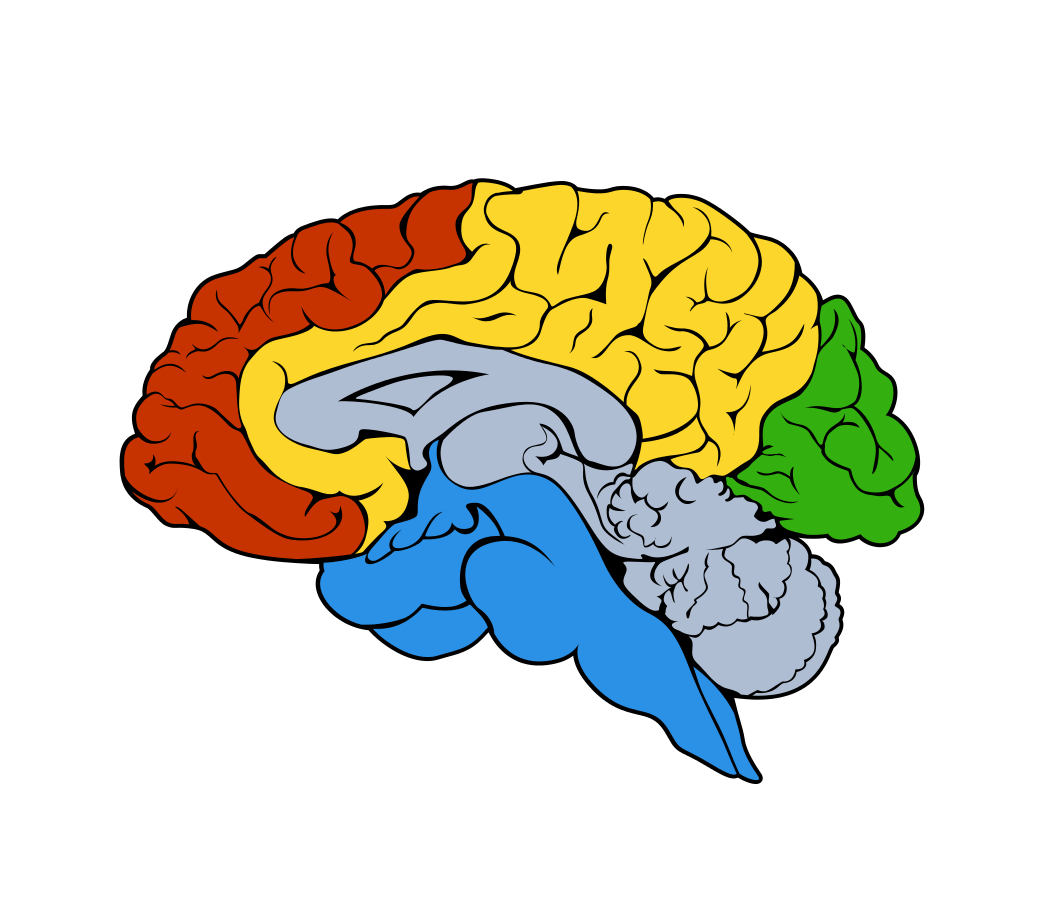
A recent study by UCLA has shown that people who don’t take much regular exercise are at higher risk of thinning tissue in regions of the brain linked to memory.
What’s more, this thinning doesn’t seem to be reversed by exercise – it needs to be prevented.
With that in mind, we have researched some ideas for getting more movement into your day, even if you work a desk job.
We’ve focussed on the things that can be easily introduced to your life, even if you currently don’t have the time or energy to start a high-intensity exercise routine.
Read on for tips to get energetic with a sedentary lifestyle.
“How many times do you actually choose to take the stairs, rather than the escalator?“
Transport
One really easy way to get a little more exercise in your day is by reassessing your commute or daily travels.
Do you drive to work, get the bus to meet friends or go to the shops? Can you start parking a little further away and taking a walk, or getting off a few stops early?
Walking is a simple but effective way of getting moving, and you could even still listen to music or the radio using headphones as you go.
Every little helps!
Move More Often
It’s better to start doing regular bits and pieces of gentle exercise, than pushing it really hard at the gym one day and then being too tired to go back all week!
Try and get up every single hour to take a walk round the house, office, or outside. You could set a reminder on your phone, or think about linking activities to exercise.
For example, you could get into the habit of standing and walking when you’re on the phone, or doing the tea and coffee run more often in the office.
Take the Stairs
How many times do you actually choose to take the stairs, rather than the escalator?
This is another really simple way to up your daily activity levels.
Be more conscious and pick the harder but more rewarding option.
This can also show results over time if you take the same staircase several times a week. You will start to notice yourself getting less out of breath at the top if you consistently pick the stairs over the escalator.
Give it a go!

Stand Rather than Sit
Having a meeting?
Don’t be shy, just stand!
Going for a coffee with friends?
Bring your takeaway cup and suggest you all take a walk instead.
If they sound reluctant, just tell them about that new brain research we talked about at the beginning – you’re doing it with their best interests at heart, after all.
Going Forward
Once you are looking for ways to stand more often, you will start to spot them!
Getting more active with a sedentary lifestyle doesn’t need to mean complicated regimes and piling on the pressure to get moving.
It just needs a bit more planning and thought, and the confidence to do things a little differently.
Do you have any tips for keeping active during the day?
We’d love to hear them – please share in the comments!
CogMission, Embracing The Bredesen Protocolâ„¢
Based in Edinburgh, Scotland, CogMission use the Bredesen Protocol to develop a comprehensive and personalised program to improve cognition and reverse the cognitive decline of subjective cognitive impairment (SCI), mild cognitive impairment (MCI), and early Alzheimer’s disease.
Common questions
Can a sedentary lifestyle affect your memory?
A recent UCLA study found that people who don’t take much regular exercise are at higher risk of thinning tissue in brain regions linked to memory. This thinning doesn’t seem to be reversed by exercise, so we say it needs to be prevented.
How can I be more active if I have a desk job?
We suggest getting up every hour for a short walk, perhaps with a phone reminder. You could also stand or walk during phone calls, do the tea and coffee run more often, stand in meetings, take the stairs rather than the escalator, or walk part of your commute.
Do I need high-intensity exercise to be more active?
No. We focus on changes that are easy to introduce, even if you lack the time or energy for a high-intensity routine. We say regular bits of gentle exercise are better than training very hard at the gym one day and then being too tired to return all week.
This article is for general information and isn’t a substitute for personal medical advice. Please speak to your GP (family doctor) or a qualified practitioner before making changes to medication or treatment.